






































































































































































_09_08_2026_11_58_25.png)





















































































































































-Digital-Training_11_08_2026_11_39_49.jpeg)

































Beyond Campus Politics: ABVP's Role in Leadership, Society and Nation Building- Dr. Dharvesh Katheriya

ताजा खबरों से अपडेट रहने के लिए हमारे Whatsapp Channel को Join करें |
_10_07_2026_07_47_25.jpg) A Special Feature on the 78th Foundation Day of Akhil Bharatiya Vidyarthi Parishad (ABVP)
A Special Feature on the 78th Foundation Day of Akhil Bharatiya Vidyarthi Parishad (ABVP)
ABVP celebrates its 78th Foundation Day, highlighting its journey from a student organization to a platform for leadership, social responsibility and nation building.
The organization continues to emphasize personality development, student participation and youth leadership through educational, social and training initiatives across the country.
Beyond campus activities, ABVP remains engaged in social service, national integration, awareness campaigns and community outreach programmes involving students and young volunteers.
Nagpur / India is often described as a nation of youth. A significant proportion of its population consists of students and young people. For this reason, the future of the country depends largely on the thinking, character, leadership abilities and social commitment of its younger generation. If students remain confined only to examinations and employment, they may achieve personal success. However, when they develop a sense of social responsibility, leadership and national consciousness, they can become active participants in the process of nation building. In this context, the role of student organizations assumes considerable importance.
India has witnessed the growth of several student organizations that have played important roles at different times in addressing student concerns, educational reforms and broader social issues. Among them is the Akhil Bharatiya Vidyarthi Parishad (ABVP), which has sought to extend its activities beyond student issues by linking personality development, leadership building and social awareness with the larger idea of nation building. Occasions such as Foundation Day are not merely opportunities to remember the history of an organization. They also provide an occasion to assess its contributions, achievements and future possibilities.
Origins and Historical Evolution of ABVP
During the early years of independent India, it was widely felt that students would play a crucial role in shaping the future of the nation. It was with this vision that the Akhil Bharatiya Vidyarthi Parishad was established on 9 July 1949. Balraj Madhok, a Rashtriya Swayamsevak Sangh worker, is regarded as having played an important role in the organization’s early development. Following independence, the organization began its activities with the objective of contributing to nation building, cultural awareness and the positive direction of student energy. It sought to evolve not merely as a student organization but as a platform for the active participation of students in national life.
Every year, ABVP commemorates 9 July as National Students' Day and organizes a variety of educational, social and cultural programmes across the country. The occasion brings together students, teachers and young volunteers and serves as an opportunity to highlight the creative potential of students, their sense of social responsibility and their possible contribution to national development.
Professor Yashwantrao Kelkar is widely acknowledged for his contribution to the organizational and ideological development of ABVP. Under his guidance, the organization adopted the motto "Knowledge, Character and Unity." This guiding principle reflects an emphasis on education, character formation and national integration. Over time, the organization established its presence in schools, colleges and universities across the country. "Knowledge" represents intellectual development, "Character" signifies moral and ethical growth, while "Unity" symbolizes social harmony and national integration. These values continue to find expression in many of the organization's activities.
Today, ABVP has an active presence across almost all states of India and functions as a large student organization with a nationwide reach. According to the organization, its membership and volunteer base exceed five million, making it one of the largest student organizations in the world.
Over the years, ABVP has steadily expanded the scope of its activities. What began as an effort to organize students gradually evolved into a broader platform focusing on education, social awareness, leadership development and student participation in national issues. Its active presence in educational institutions across the country has enabled it to emerge as one of India's prominent student organizations.
From university campuses to national platforms, the organization has sought to encourage student participation in public life. Alongside organizing student voices on educational, social and national issues, it has also emphasized leadership development. Through this process, it has attempted to present itself not merely as a platform for student politics but as a medium for student development and social awareness.
The organization has also been visible in various national and student movements since independence. The student movements of the 1970s, in particular, gave a new direction to student politics in India, and the participation of students associated with ABVP during that period was noteworthy. Such experiences contributed to establishing the organization not merely as a student platform but also as a participant in broader social and national discourse.
ABVP has also emphasized the idea of an educational family in which students, teachers and non-teaching staff are regarded as integral stakeholders. Through this perspective, educational institutions are viewed not only as centres of learning but also as platforms for social development.
The significance of any organization cannot be measured solely by its size. Its long-term impact is equally important. Viewed from this perspective, the journey of ABVP may be understood as the evolution of a student organization into a broader student movement.
ABVP as a Laboratory of Personality Development
For a long time, ABVP has emphasized the idea that student power is national power. According to this perspective, students are not merely the citizens of tomorrow but active participants in the life of the nation today. The purpose of education extends beyond the acquisition of knowledge. Its broader objective lies in the holistic development of the individual. Qualities such as self-confidence, leadership ability, communication skills, discipline, social sensitivity and decision-making capacity play an important role in the process of personality development.
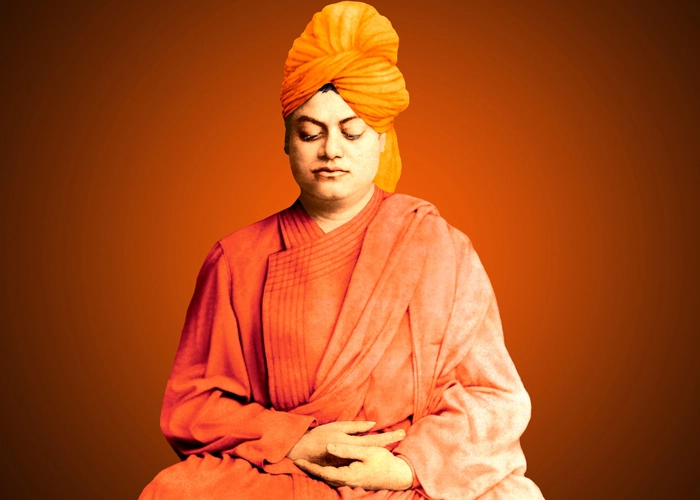
Swami Vivekananda's idea that nation building begins with character building and the development of individuals is widely regarded as an important guiding principle of Indian youth consciousness. Many activities of ABVP reflect a similar effort to connect personality development with broader national responsibilities. From this perspective, student life is viewed not merely as a period of academic achievement but as a crucial stage for the cultivation of character, leadership and social responsibility.
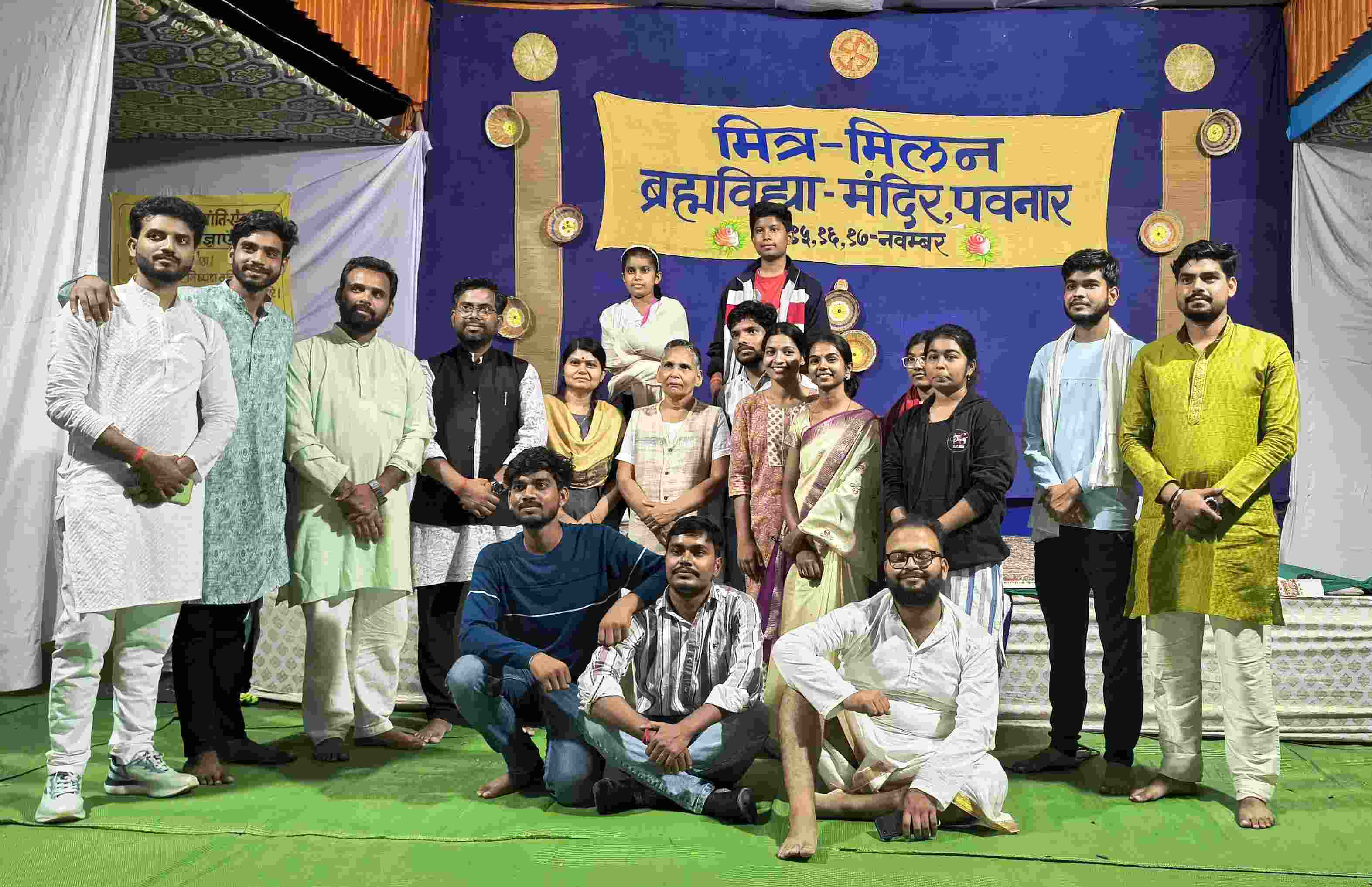
Over the years, ABVP has presented itself as a platform where students can gain leadership and organizational experience through a variety of activities. Programmes conducted in colleges and universities, discussion forums, training camps, study circles, seminars and social campaigns provide students with opportunities for active participation rather than limiting them to the role of passive observers.
Alongside leadership and organizational development, emphasis has also been placed on providing opportunities for the expression of creative talent. Platforms associated with literature, art, culture, music, theatre and other creative pursuits enable students to develop their abilities while remaining connected to India's cultural heritage. As a result, the process of personality development extends beyond academic and organizational training and includes creative expression as well.
Training camps, study sessions, intellectual discussions, leadership workshops and organizational exercises occupy an important place in the working methodology of ABVP. The objective of these activities is not merely ideological engagement but also the development of self-confidence, decision-making ability, communication skills and leadership qualities required for public life.
For any young person, speaking on a public platform, leading a team, organizing an event or expressing views on social issues constitutes a valuable learning experience. For many students, such experiences later prove useful in their professional and social lives. This is one reason why student organizations are often viewed as laboratories for leadership development.
Another important dimension of personality development is the cultivation of discipline and a spirit of collective responsibility. While modern society increasingly emphasizes individualism, the achievement of larger social goals depends upon collective effort. The practice of cooperation, coordination and teamwork during student life contributes to the development of responsible citizens and effective leaders in the future. Many academics, social workers, journalists, administrators and public representatives active in different fields have been associated with organizational activities during their student years. This helps illustrate the relationship between student leadership and public life.
From Student Welfare to Social Responsibility
The primary responsibility of any student organization is linked to the interests and concerns of students. Issues such as the quality of education, examination systems, student facilities, libraries, hostels, research resources and employment-oriented education have long remained central to student discourse. ABVP has also raised these issues on various occasions and emphasized the need for educational reforms.
However, the influence of an organization is often considered broader when it extends beyond the boundaries of educational campuses and engages with social concerns. In this context, service activities, public awareness campaigns and social participation assume particular significance.
Within its organizational activities, equal importance has been given to constructive initiatives and movements related to public concerns. The objective of this approach is not merely to highlight problems but also to encourage positive participation in finding solutions.
In a diverse society such as India, education and society cannot be viewed in isolation from one another. Familiarizing students with social realities, helping them understand the challenges of rural communities and encouraging sensitivity toward issues such as environmental protection, health awareness, disaster relief and social harmony are all considered part of the broader educational process.
From time to time, initiatives have also been undertaken to support economically disadvantaged students through academic assistance, free guidance and educational support programmes. Such efforts are regarded as important steps toward making education more inclusive and accessible rather than limiting opportunities only to those who already possess advantages.
These activities help students understand that their knowledge and abilities can serve not only their personal advancement but also the broader interests of society. Such understanding forms the basis of responsible citizenship. Participation in blood donation drives, health awareness programmes, educational assistance and social service activities has also been encouraged. Students have been connected with society through programmes related to environmental protection, public awareness, disaster relief and social harmony.
Various initiatives have also focused on strengthening the safety, confidence and leadership abilities of female students. Programmes related to self-defence, awareness and women's empowerment have sought to encourage self-reliance, confidence and active social participation among young women.
Nation Building and the ABVP Perspective
Nation building is a broad and multidimensional concept. It cannot be confined solely to economic development or political stability. Education, social unity, civic responsibility, cultural awareness, democratic participation and ethical values also make significant contributions to the process of nation building. The progress of any nation depends not only on its economic resources but also on the education, character, social consciousness and sense of responsibility of its citizens. This is why education and nation building are often viewed as complementary processes.
The foundation of national progress lies not merely in policies or institutions but in the citizens who give life to those institutions. From this perspective, personality development constitutes a fundamental stage in nation building. Citizens who are ethical, aware, disciplined and responsible are essential for the creation of a strong democratic society and a capable nation.
This raises an important question. What role can student organizations play in nation building? The answer lies in the position students occupy within society. Today's student may become tomorrow's teacher, scientist, journalist, administrator, entrepreneur, public representative or social worker. The values and perspectives developed during student life therefore have the potential to influence the future of national life. For this reason, student life is often linked with the long-term future of the nation.
ABVP has consistently emphasized the idea that students are not merely future citizens but active participants in the social and national life of the present. This perspective forms the basis for connecting students with contemporary national issues and encouraging them to engage with questions of public importance.
Themes such as national interest, social responsibility and active citizenship occupy a prominent place in the ideology and activities of ABVP. The organization has long maintained that educated and aware youth constitute the real strength of the nation. Consequently, personality development and nation building are viewed as interconnected processes rather than separate objectives.
At the same time, different ideological groups and sections of society may hold varying interpretations of nation building. Such diversity of opinion is natural in a democratic society. Therefore, the role of any organization should be assessed on the basis of its stated objectives, activities and social impact.
Achievements and Contributions of ABVP
The achievements of ABVP cannot be evaluated solely in terms of electoral success or organizational expansion. The most significant contribution of any student organization lies in the development of young people who become active participants in public life through their experiences within the organization.
Over the years, many students have gained organizational experience and subsequently advanced in fields such as education, social work, administration, journalism, politics, entrepreneurship and other professional domains. This process of leadership development may be regarded as one of the important achievements of any student organization.
Many public figures active in different fields acquired leadership experience through organizational activities during their student years. This demonstrates how leadership skills, organizational abilities and social awareness developed in student life can continue to influence public and professional life in later years.
Efforts to encourage student participation in educational issues, raise concerns related to academic environments and promote awareness of national issues have helped establish ABVP not merely as an organization but as an active student platform. Study programmes, dialogue initiatives and participation-based activities organized from time to time have provided students with opportunities to understand their role in social and national affairs.
A number of programmes and initiatives have also been undertaken with the objective of strengthening dialogue among students from different cultural and geographical regions and promoting a sense of national integration. These initiatives have contributed to a deeper understanding of India's diversity while encouraging interaction and cooperation among young people from different parts of the country. They have sought to move beyond cultural introduction alone by fostering mutual understanding, emotional integration and social harmony. Such activities provide students with opportunities to experience and appreciate the diversity that characterizes India.
In addition, engagement with educational issues, participation in national discussions, service activities and involvement in various social campaigns reflect the organization's continued activism. The presence of former student volunteers in diverse professional fields suggests that experiences gained during student life can have a lasting impact.
The organization has also participated in debates and campaigns concerning issues of national importance at different points in time. Supporters often cite its involvement in discussions related to Article 370, illegal immigration from Bangladesh, national unity and democratic movements as examples of its public engagement. Different political and ideological perspectives exist on these issues. Nevertheless, such campaigns are frequently mentioned in the context of student participation in public affairs.
Apart from these initiatives, students and volunteers associated with the organization have also been visible during periods of national and social challenge.
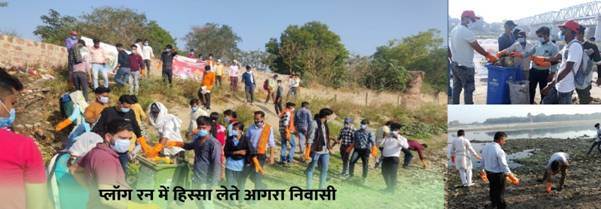
During the Covid-19 pandemic, students and young volunteers participated in relief efforts, awareness campaigns and service activities in different regions. Their involvement demonstrated that student organizations are not confined to campus-based activities alone but are also capable of fulfilling social responsibilities during times of crisis.
Challenges, Criticisms and Contemporary Debates
Like any large organization, ABVP is not free from challenges and criticism. In a democratic society, this is both natural and expected. Student politics has long been a subject of debate in India. While some view it as an important means of leadership development and democratic participation, others consider it a potential challenge to the academic environment.
The digital age has also created new circumstances for student organizations. Today's students are shaping their futures in a world influenced by social media, artificial intelligence, global opportunities and rapidly changing technologies. In such an environment, student organizations must continuously adapt their methods of engagement and communication to remain relevant.
In addition, issues such as employment, skill development, mental health, research culture and innovation have become increasingly important for the student community. The future relevance of any student organization will depend on how effectively it understands and addresses these emerging concerns.
Relevance of ABVP in Contemporary India
In an era shaped by artificial intelligence, digital education, global competition, startup culture and a skill-based economy, student organizations face both new opportunities and new challenges. India is passing through a transformative phase in which education, skills, innovation and youth leadership are receiving increasing attention. The National Education Policy, the growing use of digital technologies and the demands of global competition have made the role of students more significant than ever before.
Issues such as environmental protection, sustainable development, the use of local resources and social innovation have also become an integral part of contemporary youth discourse. Student participation in these areas indicates that the concept of nation building is no longer limited to political or economic questions alone. It is increasingly connected with environmental responsibility and social commitment as well.
In such circumstances, the role of student organizations cannot remain confined to support or opposition. They must also function as platforms that connect students with leadership, social responsibility and the larger process of national development.
The relevance of ABVP may be viewed in this context. If an organization succeeds in connecting students with personality development, social participation and a sense of responsibility toward the nation, its contribution extends beyond the boundaries of student politics and can generate a wider social impact.
Personality development and nation building are not separate processes. They are deeply interconnected. The quality of a nation ultimately depends upon the quality of its citizens, and the making of citizens begins during student life. For this reason, the role of student organizations cannot be viewed solely through the lens of immediate student concerns.
The journey of Akhil Bharatiya Vidyarthi Parishad is significant in this regard because it has sought to connect students with leadership, organization, social participation and national consciousness. Its contributions, achievements, challenges and criticisms may be evaluated from different perspectives, yet it remains an important fact that ABVP has secured a notable place in the discourse surrounding student life and youth leadership in India.
Today, as India moves toward the future on the strength of its young population, understanding the relationship between personality development, responsible citizenship and nation building has become more important than ever. In this context, serious and balanced discussions about the role of institutions such as ABVP are not only useful but also necessary for a democratic society.
The strength of Indian democracy lies not merely in its institutions but also in the aware and responsible citizens who sustain them. Leadership, character and social consciousness developed during student life form the foundation of this process.
Ultimately, the strength of any nation depends upon the direction, vision and character of its younger generation. When knowledge, character, leadership and social responsibility are cultivated during student life, that same energy becomes the foundation of an aware society and a stronger nation.
About the Author:
Dr. Dharvesh Katheriya
Associate Professor
Department of Mass Communication
Mahatma Gandhi Antarrashtriya Hindi Vishwavidyalaya, Wardha.


